
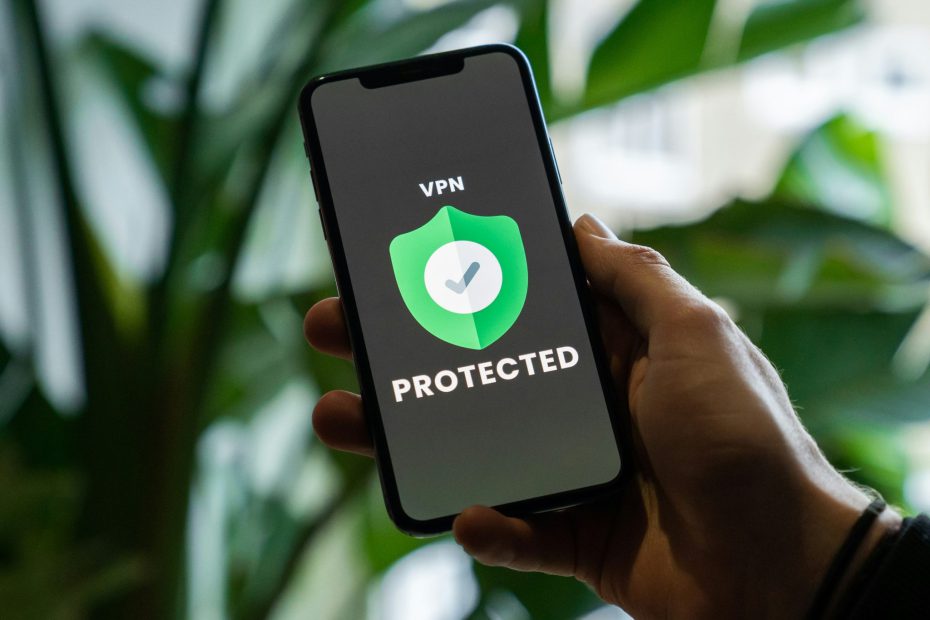
With frequent news of data breaches, concerns over public Wi-Fi security, and growing awareness of online privacy, it’s understandable that many people ask: is a VPN worth it for everyday internet users in 2026? While VPNs are no longer just for tech enthusiasts or travellers, they still come with trade-offs that users should weigh carefully. This article explores the practical benefits and limitations of VPNs for typical daily use.
What Does a VPN Actually Do?
A Virtual Private Network (VPN) creates an encrypted connection between your device and an internet server operated by the VPN provider. This encrypted “tunnel” hides your online activity from your internet service provider (ISP) and anyone else on the same network, such as in a coffee shop or airport. It also masks your real IP address, making it harder for websites and advertisers to track your location and browsing habits.
In practice, this means a VPN can help protect your privacy, especially when you use unsecured public Wi-Fi networks. For example, if you’re working remotely at a café, a VPN can prevent others on the same network from intercepting your data, such as login credentials or personal information.
Benefits of Using a VPN for Everyday Use
1. Enhanced Privacy
If privacy is your priority, a VPN helps by obscuring your IP address and encrypting your traffic, making it more difficult for third parties to monitor your online behaviour. This matters because many websites and advertisers track users to build profiles for targeted advertising. While a VPN doesn’t make you anonymous online, it adds a layer of protection.
2. Security on Public Wi-Fi
One area where VPNs stand out is protecting data on public Wi-Fi. Networks in places like cafés, airports, hotels, and libraries often lack strong security. Without a VPN, your data could be vulnerable to hackers using so-called “man-in-the-middle” attacks. Using a VPN encrypts your connection, making it much harder for attackers to access your information.
3. Accessing Content
VPNs can also help if you want to access location-restricted content, such as streaming services or websites only available in certain countries. For instance, if you are travelling abroad and want to watch UK-based shows, a VPN might allow you to connect to a UK server and access those services as if you were at home.
Limitations and Trade-Offs
1. Speed Reduction
Using a VPN typically slows down your internet connection because your data travels through an extra server and undergoes encryption. Depending on the provider and server location, this can be barely noticeable or frustratingly slow. For everyday browsing and streaming, this slowdown may be acceptable, but if you play online games or use bandwidth-heavy applications, it could impact your experience.
2. Trust in the VPN Provider
While a VPN hides your activity from your ISP, it shifts trust to the VPN provider. Not all VPNs are equally transparent or trustworthy when it comes to logging user data. Some providers keep minimal logs, while others may collect more information. It’s important to choose a VPN with a clear privacy policy and a good reputation.
3. Not a Complete Privacy Solution
A VPN alone does not guarantee complete privacy or security. It won’t protect you from phishing attacks, malware, or tracking via cookies and browser fingerprints. Also, if you log into services like social media or email, those platforms will still know who you are regardless of your VPN.
When Might You Not Need a VPN?
For most people, the default internet setup is sufficient for everyday activities like reading news, checking email, and casual browsing, especially if you avoid sensitive transactions on unsecured networks. Many modern websites use HTTPS encryption, which provides a secure connection to the site itself.
One thing to keep in mind is that if you mainly use trusted home or work networks and are cautious online, the added benefit of a VPN might be limited. However, if you frequently use public Wi-Fi or want enhanced privacy, a VPN is a sensible investment.
Choosing the Right VPN for Everyday Use
If you decide a VPN is worth it, it’s important to compare providers carefully. Look for a VPN that balances security, privacy, speed, and ease of use. Some providers offer apps that automatically connect to the fastest or most secure server, which can simplify the experience.
Cost is another factor. Many VPNs offer subscription plans with varying prices depending on length and features. Comparing VPN prices and services can help you find one that fits your budget without compromising key features.
Conclusion
Is a VPN worth it for everyday internet users in 2026? The answer depends on your priorities and habits. For those concerned with privacy or who often rely on public Wi-Fi, a VPN provides a valuable layer of protection. On the other hand, VPNs come with some drawbacks like slower speeds and the need to trust the provider.
The main takeaway is that VPNs are no longer just an optional extra; they have become more relevant for everyday internet users. However, assessing your own needs and comparing options carefully is key to making an informed choice. For more insights, see the detailed discussion at Hotspot Shield’s blog.
Is a VPN Worth It for Everyday Internet Users in 2026?
Frequently Asked Questions
What is the main benefit of using a VPN for everyday browsing?
The primary benefit is enhanced privacy and security, especially on public Wi-Fi networks, by encrypting your internet traffic and hiding your IP address.
Will a VPN slow down my internet connection?
Yes, VPNs generally reduce speed to some extent because data is routed through an extra server and encrypted. The impact varies by provider and server location.
Can a VPN make me completely anonymous online?
No, a VPN improves privacy but does not make you fully anonymous. Websites and services you log into can still identify you, and some tracking methods bypass VPN protection.
Is a VPN necessary if I only use the internet at home?
If you use secure, trusted networks and are cautious, a VPN may be less essential. However, it still adds privacy benefits, even on home connections.
How can I choose a trustworthy VPN provider?
Look for providers with transparent privacy policies, no-logging practices, positive independent reviews, and a track record of protecting user data.
Some VPN Options for you
Nord VPN
Online VPN service that encrypts your internet traffic and hides your IP with physical location. Upgrade your privacy and security…
Trustpilot: ★★★★☆ (4.1)
Monthly Price: £11.09
Surfshark
Get Surfshark and stay protected. 3200+ servers worldwide. Unlimited devices. Audited: No-logs VPN. RAM-only servers. 24/7 support.
Trustpilot: ★★★★☆ (4.3)
Monthly Price: £11.99
Pure VPN
A VPN service helps you break free from location restrictions – so you can enjoy more of what you love.…
Trustpilot: ★★★★☆ (4.3)
Monthly Price: £12.95
IP Varnish
Help protect private information like your location data, personal identity, and browsing history when you use the internet on any…
Trustpilot: ★★★★☆ (4.6)
Monthly Price: £12.99
Cyber Ghost
With more than 7000 servers, it offers top privacy for all devices, Windows, iOS, Mac, Android, or Linux.
Trustpilot: ★★★★☆ (4.8)
Monthly Price: £10.89