The Best VPNs for Video Streaming in 2026
Streaming video content from platforms like Netflix, Amazon Prime Video, and Disney+ has become part of everyday life for many viewers in the UK. However, accessing the full range of shows and movies can be tricky due to regional restrictions imposed by streaming services. Virtual private networks (VPNs) offer a way to bypass these limitations by masking your location, but streaming platforms have increasingly sought to block VPN traffic. Here, we explore the most reliable VPNs for video streaming in 2026, how they work, and what to expect when using them.
Why Do Streaming Services Block VPNs?
Streaming platforms typically acquire content licences that are valid only in specific countries. This means they must restrict access to certain shows or films based on where viewers are located. VPNs allow users to change their apparent IP address, making it seem like they are in a different country. While this can unlock additional content, streaming services have responded by identifying and blocking VPN IP addresses.
This ongoing tussle means VPN providers must continuously adapt their technology to maintain access. Independent testing suggests that only a handful of VPNs consistently manage to provide access to a wide range of streaming libraries without interruption. It’s also worth considering that this cat-and-mouse game can result in occasional downtime or the need to switch servers.
Key Features to Look for in Streaming VPNs
Some VPNs focus on streaming performance by offering specialised servers optimised for video delivery. These can reduce buffering and improve connection stability. For most people, multi-device support is also important, as streaming is often done on TVs, smartphones, tablets, and computers.
Additionally, fast connection speeds and low latency matter because video streaming requires a steady and responsive connection. If you frequently switch between streaming services, a VPN that can consistently unblock multiple platforms will be more valuable.
Top VPNs for Video Streaming in 2026
Based on the available information and testing by PCMag UK, several VPNs stand out for streaming use, each with its own strengths and limitations.
ExpressVPN
ExpressVPN is often praised for its reliability when it comes to accessing international streaming libraries. Its broad server network includes many locations optimised for streaming, which helps maintain good speeds. Users can connect multiple devices simultaneously, making it suitable for households with various streaming setups.
That said, ExpressVPN tends to be priced on the higher side compared with some competitors. For everyday use, its straightforward interface and strong privacy policies make it a solid choice.
NordVPN
NordVPN offers a large number of servers dedicated to streaming, which allows users to switch easily if one server is blocked. It supports a range of devices and offers features like SmartPlay, designed to improve streaming access without manual configuration.
One thing to keep in mind is that while NordVPN works well with many services, some users report occasional difficulties with certain regional libraries due to aggressive VPN blocking by streaming providers.
Surfshark
Surfshark is notable for its allowance of unlimited simultaneous connections, a rare feature that appeals to larger households or individuals with multiple devices. It has several streaming-optimised servers and often performs well in bypassing blocks on popular platforms.
However, Surfshark’s network is smaller than some competitors, which may affect speed and reliability in certain regions.
CyberGhost
CyberGhost specialises in streaming with dedicated servers clearly labelled for specific platforms such as Netflix UK or BBC iPlayer. This guidance simplifies the process for less technical users who want a plug-and-play experience.
Even so, CyberGhost’s performance can vary depending on your location, and it may not work as consistently in regions with tougher VPN detection.
Practical Considerations When Using VPNs for Streaming
While VPNs can expand your streaming options, there are trade-offs. Speeds may be slower compared with direct connections, depending on your internet service and the VPN server load. Also, some streaming services have improved their VPN detection methods, meaning no VPN can guarantee uninterrupted access indefinitely.
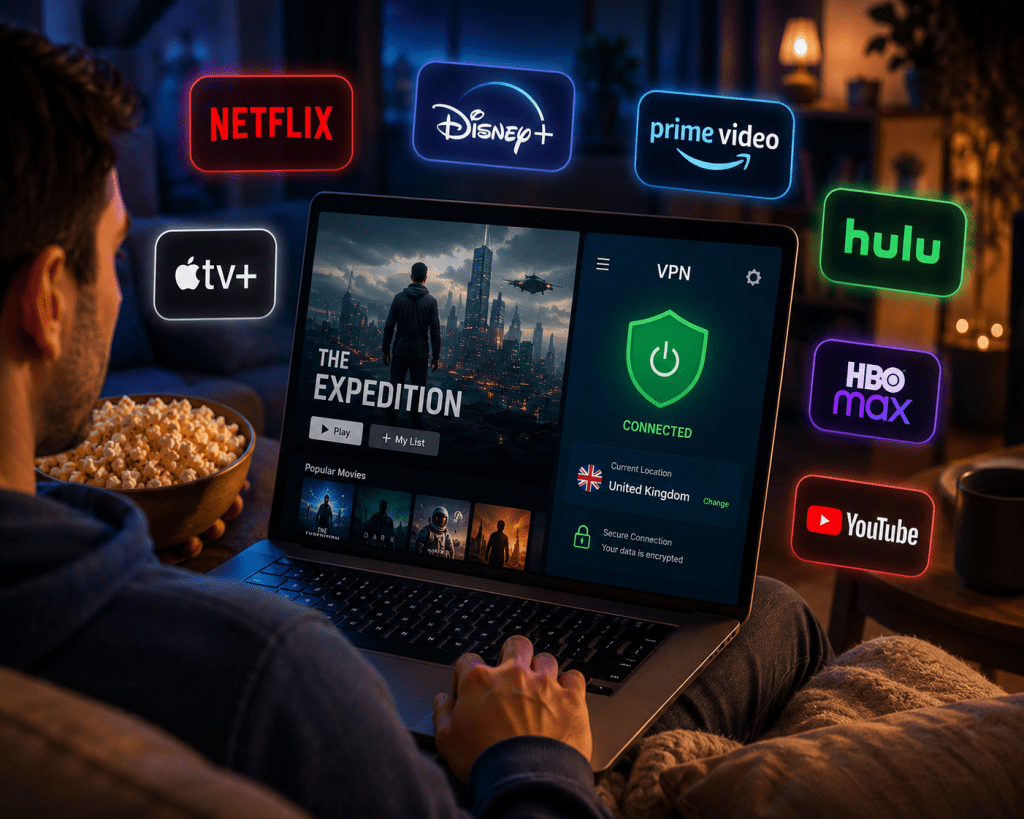
One practical example: if you want to watch a US-only Netflix show from the UK, connecting to a US server on a streaming-optimised VPN can usually help. However, if the server’s IP address is blocked, you might need to try a different server or VPN altogether.
It’s also worth considering data privacy. VPNs encrypt your internet traffic, which can prevent eavesdropping on public networks. But not all VPNs have the same privacy policies or security standards. If privacy is your priority alongside streaming, choose a provider with transparent policies and good independent reviews.
Conclusion
Choosing the best VPN for video streaming in 2026 involves balancing access, speed, device support, and privacy. Providers like ExpressVPN, NordVPN, Surfshark, and CyberGhost each offer features suited to different needs and budgets. Given the ongoing efforts by streaming services to block VPN use, no option guarantees flawless service at all times.
For most people, a VPN that offers a wide range of servers, streaming-optimised connections, and clear device support will provide the best experience. Before making a decision, it’s sensible to consider what platforms you want to access, how many devices you’ll connect, and how much you’re willing to pay.
FAQs About VPNs for Video Streaming
1. Can a VPN guarantee access to all streaming content?
No VPN can guarantee uninterrupted access to every streaming library. Streaming services actively block VPN IP addresses, and providers must regularly update their servers to stay ahead.
2. Will using a VPN slow down my streaming?
Using a VPN can reduce your internet speed due to encryption and server distance. However, many streaming-focused VPNs minimise this with optimised servers.
3. Are free VPNs suitable for streaming?
Free VPNs typically have limited servers, slower speeds, and may not reliably unblock streaming platforms. Paid providers are generally better for this purpose.
4. How many devices can I connect to a VPN for streaming?
This varies by provider. Some allow five or six simultaneous connections, while others, like Surfshark, permit unlimited devices.
5. Is using a VPN for streaming legal in the UK?
Yes, using a VPN is legal in the UK. However, circumventing regional licensing restrictions may violate streaming service terms of use.