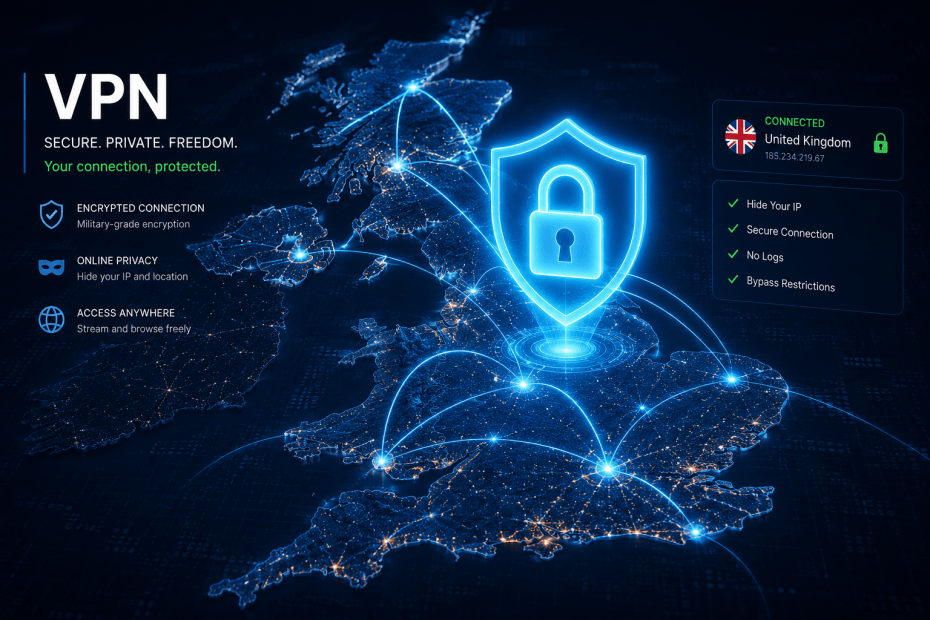
The Best VPN Services for 2026: What UK Users Should Know
Using a virtual private network (VPN) is a practical way to enhance your online privacy and security. In 2026, VPNs remain relevant for shielding your internet activities from prying eyes, including your internet service provider (ISP) and advertisers. This article explores the best VPN services available today, outlining their benefits and limitations, so you can make an informed choice.
Why Use a VPN?
A VPN creates a secure, encrypted connection between your device and a server operated by the VPN provider. This means that your internet traffic is routed through this encrypted tunnel, making it harder for outsiders to monitor or intercept your data. For most people, this improves privacy, especially when using public Wi-Fi or avoiding tracking by advertisers.
That said, a VPN doesn’t make you completely anonymous online. Websites and services can still track you through cookies and other techniques unrelated to your IP address. Additionally, the VPN provider itself may have access to your data, which is why choosing a trustworthy provider with a clear no-logs policy is important.
Top VPN Services Reviewed
Each VPN service offers different advantages, depending on what you prioritise. Here is an overview based on recent testing and reviews from PCMag UK, a respected source in technology reviews.
ExpressVPN
ExpressVPN is often praised for its reliable connections and strong privacy protections. It supports a wide range of devices and offers user-friendly apps. One area where it stands out is its ability to work consistently with streaming services, which can be a challenge for many VPNs.
However, it is generally pricier than some competitors. For everyday use, this could be a consideration if budget is a concern.
NordVPN
NordVPN is known for its extensive server network and solid security features, including double encryption options. It offers a good balance between performance and cost. According to the provider, it maintains a strict no-logs policy and has undergone independent audits to verify this.
It may not be the absolute fastest VPN on the market, but it provides dependable speeds suitable for streaming, browsing, and downloading.
Surfshark
Surfshark is a newer contender that has gained attention for affordable pricing and unlimited simultaneous connections. This makes it appealing for users with multiple devices or families sharing one account.
While it covers the basics well, some users report occasional inconsistencies in speed depending on the server location.
Practical Examples of Using a VPN
Imagine you’re working from a café in London and want to access your company’s internal network securely. A VPN encrypts your data so that others on the same public Wi-Fi cannot intercept sensitive information like passwords or confidential documents.
Another example is accessing streaming content that is restricted by region. By connecting to a VPN server in a different country, you can watch shows or movies that might not be available in the UK. That said, some streaming platforms actively block VPN traffic, so not every VPN will work perfectly for this purpose.
Limitations and Trade-Offs
VPNs can slow down your internet connection because your data travels farther and goes through encryption. The extent of speed reduction varies between providers and server choices. Sometimes, you may experience connection drops, which can expose your true IP address unless the VPN has a kill switch feature.
Privacy is also dependent on the VPN provider’s policies. If a provider keeps logs or is subject to local laws requiring data disclosure, your information might still be at risk. Therefore, it’s advisable to research the jurisdiction and reputation of any VPN service before committing.
Choosing the Right VPN for You
Before making a decision, consider what matters most: speed, privacy, price, device compatibility or streaming capabilities. For instance, if streaming is your priority, ExpressVPN or NordVPN might be better options. For budget-conscious users with multiple devices, Surfshark could be more appealing.
It’s also worth considering trial periods or money-back guarantees, allowing you to test the service firsthand without long-term commitment.
Conclusion
VPNs remain an effective tool for enhancing online privacy and security in 2026. While no VPN can guarantee complete anonymity, they offer meaningful protection from casual tracking and interception. The best VPN for you depends on your specific needs and willingness to balance cost against features.
For a comprehensive look at current providers and their offerings, see the detailed reviews at PCMag UK.
Frequently Asked Questions
What exactly does a VPN do?
A VPN encrypts your internet connection and routes your traffic through a server in another location, helping protect your privacy and security online.
Will a VPN make my internet slower?
Usually, yes. Encryption and rerouting data can reduce speed, but the impact varies depending on the provider and server chosen.
Are VPNs legal in the UK?
Yes, using a VPN is legal in the UK. However, illegal activities remain illegal even if conducted over a VPN.
Can I use a free VPN instead of a paid one?
Free VPNs often have limitations such as data caps, fewer servers, and may log your data. Paid VPNs typically offer better privacy and performance.
How do I know if a VPN keeps my data private?
Look for providers with transparent no-logs policies and independent audits confirming their claims. Also, consider the jurisdiction under which the VPN operates.
Some VPN Options for you
Nord VPN
Online VPN service that encrypts your internet traffic and hides your IP with physical location. Upgrade your privacy and security…
Trustpilot: ★★★★☆ (4.1)
Monthly Price: £11.09
Surfshark
Get Surfshark and stay protected. 3200+ servers worldwide. Unlimited devices. Audited: No-logs VPN. RAM-only servers. 24/7 support.
Trustpilot: ★★★★☆ (4.3)
Monthly Price: £11.99
Pure VPN
A VPN service helps you break free from location restrictions – so you can enjoy more of what you love.…
Trustpilot: ★★★★☆ (4.3)
Monthly Price: £12.95
IP Varnish
Help protect private information like your location data, personal identity, and browsing history when you use the internet on any…
Trustpilot: ★★★★☆ (4.6)
Monthly Price: £12.99
Cyber Ghost
With more than 7000 servers, it offers top privacy for all devices, Windows, iOS, Mac, Android, or Linux.
Trustpilot: ★★★★☆ (4.8)
Monthly Price: £10.89