
Virtual private networks (VPNs) have long been a cornerstone of corporate IT security, especially as remote work has become commonplace. They serve as a secure tunnel between employees’ devices and company resources, helping protect sensitive information from interception. However, traditional corporate VPNs come with their own set of challenges that can complicate security and productivity.
Understanding these difficulties and exploring practical solutions is crucial for businesses that want to maintain reliable, secure remote access without compromising user experience.
Why Traditional VPNs Present Challenges for Businesses
Complex Setup and Management
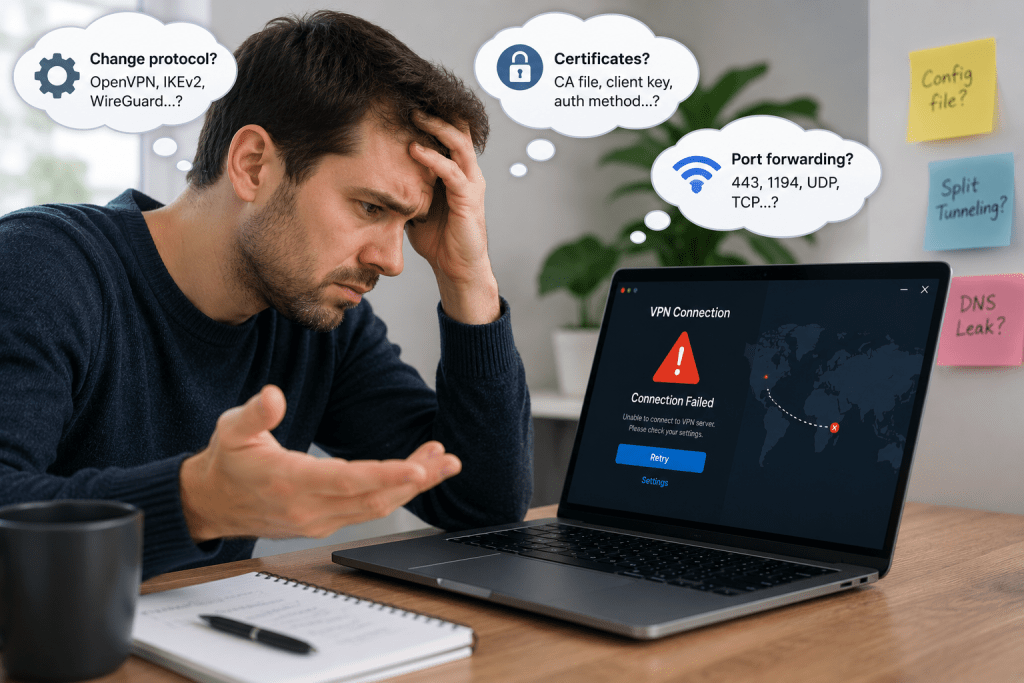
One common issue with traditional VPNs is the complexity involved in setting them up and maintaining them. These VPNs often require manual configuration on each user’s device, which can be time-consuming and error-prone. IT teams may struggle to keep track of users, devices, and access permissions, especially as organisations grow or adopt hybrid working models.
For example, a company expanding its workforce across multiple locations might find it increasingly difficult to manage individual VPN credentials and permissions without risking misconfigurations that could expose sensitive data.
Performance Bottlenecks and Latency
Traditional VPNs typically route all traffic through a central corporate server or data centre. This architecture can cause slowdowns, particularly if many users connect simultaneously or if they are geographically distant from the VPN server.
Imagine a remote employee in Glasgow accessing resources hosted in London via a VPN server located in Manchester. The extra hops and server load can lead to noticeable lag, affecting productivity and user satisfaction. In some cases, these delays may discourage employees from using the VPN properly, increasing security risks.
Scalability Issues
As businesses grow, their VPN infrastructure needs to scale accordingly. Traditional VPNs often struggle to accommodate rising numbers of users or devices without significant additional investment in hardware or network resources.
This scalability challenge can result in higher costs and increased administrative overhead, limiting the flexibility companies need in a dynamic work environment.
Security Limitations
Although VPNs encrypt data traffic, traditional implementations may grant users broad access to corporate networks once connected. This “all-or-nothing” access model does not align well with modern security practices, such as zero trust, which require verifying users and devices continuously and limiting access strictly to necessary resources.
For example, an employee connected via VPN might be able to access parts of the network unrelated to their role, increasing the risk of accidental or malicious data exposure.
Strategies to Overcome VPN Challenges
Adopt More Flexible VPN Solutions
Some newer VPN solutions focus on simplifying deployment and ongoing management. These options often include cloud-based control panels or automated device onboarding, reducing the burden on IT teams. Automated updates and centralised monitoring can also improve security by ensuring all devices use up-to-date configurations.
Implement Zero Trust Network Access (ZTNA)
Zero trust architecture offers a way to address traditional VPN security shortcomings by granting access based on strict identity verification and device health checks. Instead of blanket network access, users receive permission only for the specific applications or services they need.
Although zero trust can require some upfront effort to define policies and integrate with existing infrastructure, it offers greater protection against insider threats and compromised devices.
Use Distributed VPN Servers or Cloud-Based VPNs
To address performance issues, businesses can deploy multiple VPN servers closer to employees’ locations or use cloud-based VPN services with global points of presence. This reduces latency by shortening the distance data must travel and balancing user load across servers.
For instance, a company with a global workforce might use a cloud VPN provider that automatically connects users to the nearest server, improving speed and reliability.
Plan for Scalability from the Start
Selecting VPN solutions designed to scale easily with growing user numbers can prevent costly infrastructure upgrades later. Look for options that support flexible licensing and cloud deployment to accommodate fluctuating demand without major disruptions.
Balancing Security and Usability
One area where traditional VPNs often fall short is user experience. If a VPN is difficult to use or slows down workflows, employees may seek workarounds that undermine security.
Businesses should involve end users during VPN selection and deployment to understand their needs and pain points. Providing clear guidance and support helps encourage compliance and reduces frustration.
Balancing robust security with practical usability requires ongoing evaluation. It’s important to monitor VPN performance, user feedback, and emerging threats regularly to adjust policies and technologies accordingly.
Conclusion
Traditional corporate VPNs remain important tools for securing remote work, but they come with notable challenges in setup, performance, scalability, and security. By recognising these limitations and adopting more flexible, modern approaches—such as zero trust models, distributed VPN infrastructure, and automated management—businesses can better protect their data while supporting employees effectively.
When choosing a VPN solution, companies should weigh the trade-offs carefully and prioritise options that align with their security requirements and operational needs.
Frequently Asked Questions
What are the main drawbacks of traditional VPNs?
They often involve complex setup, create performance bottlenecks due to centralised servers, struggle to scale with growing organisations, and provide broad network access that may not fit modern security practices.
How does zero trust network access improve upon traditional VPNs?
Zero trust limits user access to only the resources needed, based on continuous verification of identity and device status, reducing the risk of insider threats and compromised credentials.
Can cloud-based VPNs improve performance?
Yes. Cloud VPNs typically have multiple servers worldwide, allowing users to connect to the nearest location, which lowers latency and distributes traffic load more evenly.
Is managing a traditional VPN always resource-intensive?
Managing traditional VPNs can be time-consuming due to manual configuration and monitoring, especially as the number of users grows. However, some modern VPN solutions offer automation to ease these tasks.
Should businesses involve employees when selecting a VPN?
Involving users helps ensure the VPN meets practical needs and avoids usability issues that could lead to security workarounds. Clear communication and training also support better adoption.
For more detailed insights on VPN challenges and solutions, see NetBird’s blog.
Some VPN Options for you
Nord VPN
Online VPN service that encrypts your internet traffic and hides your IP with physical location. Upgrade your privacy and security…
Trustpilot: ★★★★☆ (4.1)
Monthly Price: £11.09
Surfshark
Get Surfshark and stay protected. 3200+ servers worldwide. Unlimited devices. Audited: No-logs VPN. RAM-only servers. 24/7 support.
Trustpilot: ★★★★☆ (4.3)
Monthly Price: £11.99
Pure VPN
A VPN service helps you break free from location restrictions – so you can enjoy more of what you love.…
Trustpilot: ★★★★☆ (4.3)
Monthly Price: £12.95
IP Varnish
Help protect private information like your location data, personal identity, and browsing history when you use the internet on any…
Trustpilot: ★★★★☆ (4.6)
Monthly Price: £12.99
Cyber Ghost
With more than 7000 servers, it offers top privacy for all devices, Windows, iOS, Mac, Android, or Linux.
Trustpilot: ★★★★☆ (4.8)
Monthly Price: £10.89